
Home
Articles

Tarot Spreads and How to Choose One

Written by our advisorTrisha AdvisorTrisha
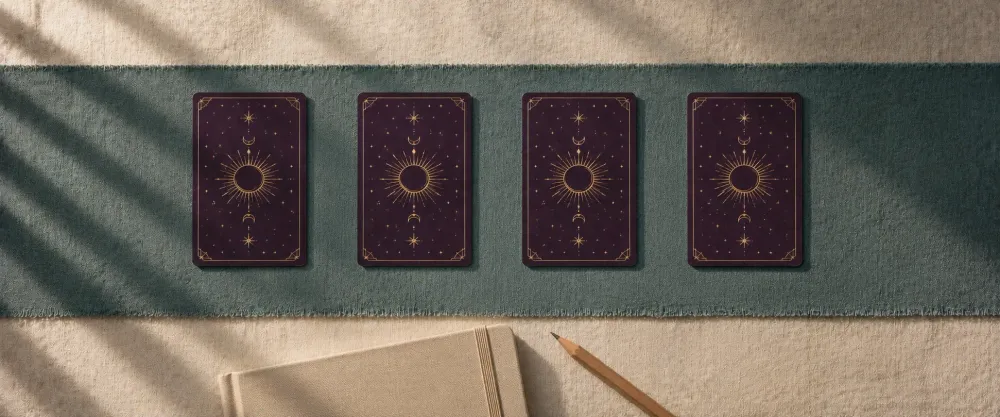
Every position in a tarot spread gives a card a specific question to answer. Bigger is not always better. Use one card for a single focus, three to follow movement, five to compare a choice, and the Celtic Cross when several influences need separate positions.
7 mins
Tarot Spreads and How to Choose One

Below, you can compare practical tarot reading spread types without drawing or interpreting cards. Decide what you are trying to understand first, then choose a layout built for that job.

Choose a Spread for the Question You Have

Pick the description closest to your situation. Each choice leads to the layout, card positions, and limits of that spread.

If you already have cards on the table but cannot connect their messages, a reader can help you consider the spread as a whole.

Ask a Tarot Reader to Interpret Your Spread

Common Tarot Spreads Compared

SpreadCardsWorks well forQuestion depthConsider another spread when
One card1A focus, prompt, or themeLightYou need causes, options, or a sequence
Three cards3A developing situation or short timelineModerateSeveral people or competing pressures matter
Five-card decision5Comparing two possible pathsFocused but detailedThe issue is broader than one decision
Horseshoe7Past influences, obstacles, and directionDetailedYou need separate positions for your stance, hopes, and outcome
Celtic Cross10A layered situation with several influencesDeepYour question can be answered more directly

One Card When You Need One Clear Focus

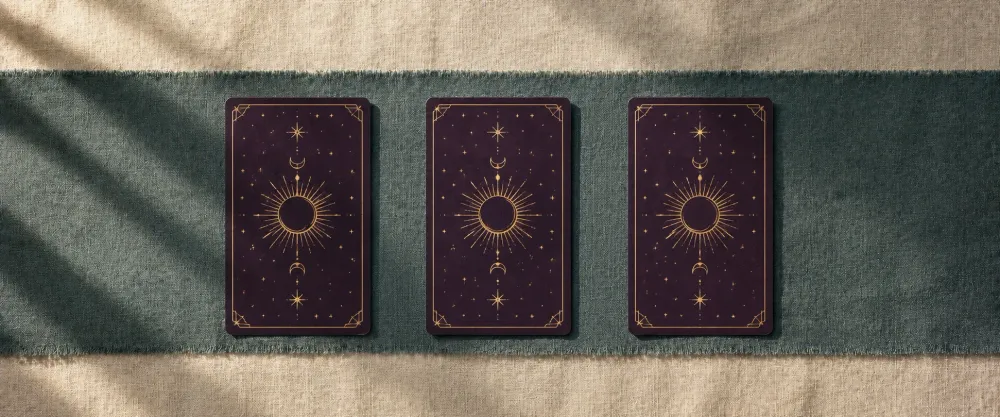
A one-card spread is useful when the question can be held in a single frame. Instead of asking for a complete forecast, ask what deserves attention, what quality you can bring to the day, or what perspective may help with a specific conversation.


one-card-spread.webp

The card position means the central energy or perspective to consider. Its strength is clarity. Its limit is context: one card does not naturally show a cause, a response, and a possible direction.

Three Cards for a Situation in Motion

Three cards show how parts of a situation relate without becoming hard to follow. Set each position before shuffling and do not rename it after the cards are down. If a difficult card makes you want to change the prompt, read it in the position you chose first.

Situation, Challenge, and Next Step

three-card-situation-spread.webp

For a current issue, the first position shows what is happening now. The middle points to the pressure or overlooked part. The last suggests a direction, not an order.

Past, Present, and Future

three-card-timeline-spread.webp

The past position shows what still affects the situation. The present names the current pattern, and the future shows where it could lead if that pattern continues. It is a direction, not a settled result; choices and circumstances can change it.

A Relationship Check-In

relationship-check-in-spread.webp

For a relationship question, use your perspective, their perspective, and the dynamic between you. Treat the second card as their place in the relationship, not proof of private thoughts. For a session about connection, communication, or compatibility, explore love tarot readings.

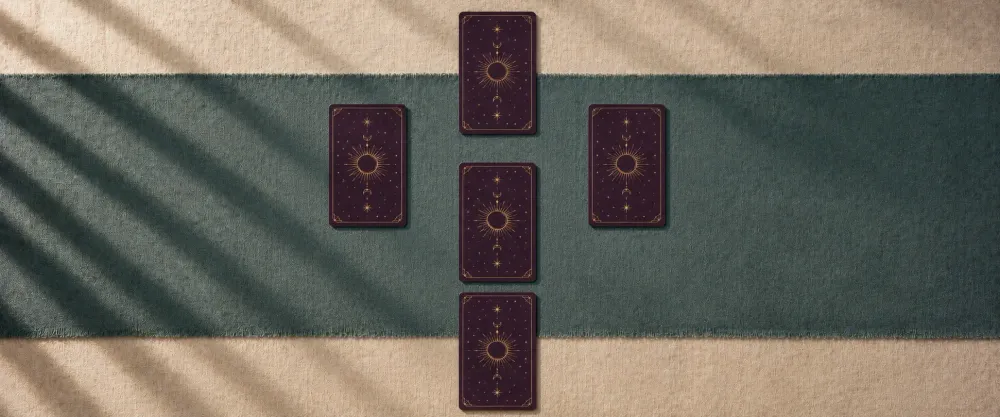
Five Cards for a Decision With Tradeoffs

A five-card decision spread helps compare two paths without reducing the choice to a simple yes or no. Phrase both options in neutral language before you begin.

five-card-decision-spread.webp

Start with the core issue. Compare both paths on the same terms, including their likely demands. The middle card returns to your priorities; the last offers a principle for moving forward. The spread shows tradeoffs but does not make the choice.

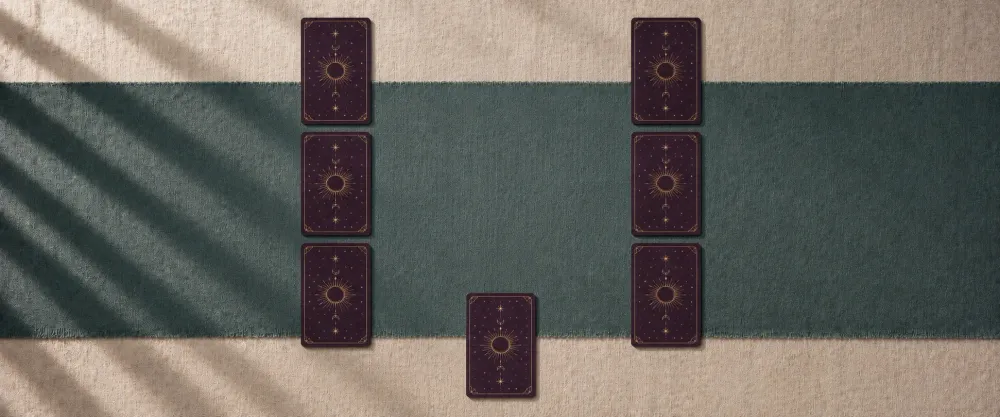
The Horseshoe for Hidden Influences

The seven-card Horseshoe adds context without the density of the Celtic Cross. One sequence is past, present, hidden influence, obstacle, outside influence, approach, and likely direction. Versions vary, so set the positions before drawing and keep them fixed.

seven-card-horseshoe-spread.webp

Use it when the obvious problem may not be the whole problem. Read the middle positions as the hinge, then compare the opening cards with the final direction.

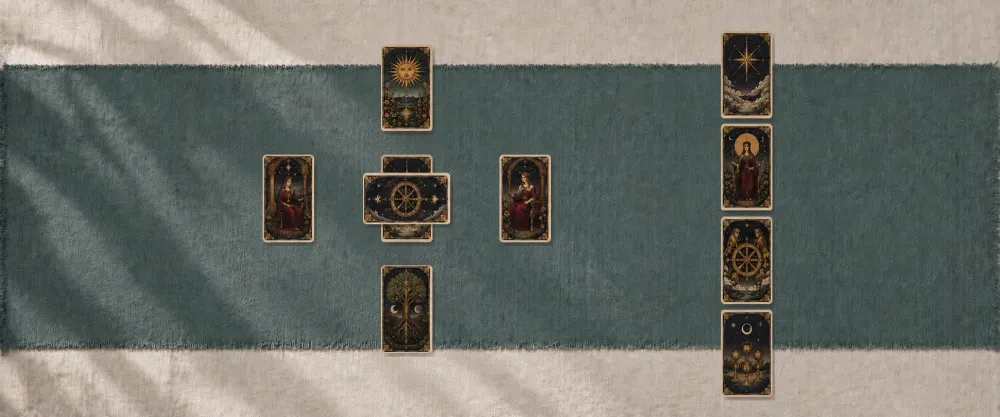
The Celtic Cross for a Complex Situation

The ten Celtic Cross positions cover the present issue, challenge, foundation, recent past, conscious aim, near direction, your stance, surrounding influences, hopes or concerns, and outcome. It suits a question with history and interacting pressures. Versions vary, so set the order before drawing and keep it fixed.

ten-card-celtic-cross-spread.webp

Read the crossed pair first; it sets the central tension. Positions three through six show the roots and movement of the issue. Positions seven through ten place your viewpoint beside the wider setting. A Celtic Cross tarot reading interpretation should connect these groups instead of treating every card as a separate prediction.

Choose it because the question is layered, not because more cards look more authoritative. A clear three-card spread may be more useful than a crowded ten-card reading.

A Self-Reflection Spread That Stays Grounded

Tarot reading for self-reflection works best when the question stays with your attention, assumptions, choices, and next step. A four-card version asks what I notice, what I avoid, what I can approach differently, and what I want to carry forward.

four-card-self-reflection-spread.webp

Write one sentence about each position, then look for repetition or change across the cards. A recurring suit, contrasting imagery, or movement from stillness to action may stand out. Leave a detail alone when it does not fit.

How to Phrase a Useful Tarot Question

  • Ask about something you can understand, decide, or do.
  • Name the situation clearly.
  • Prefer open wording. For example, "What should I consider about this choice?"
  • Set the position meanings before drawing. Read the original spread before adding clarifiers.

If the question genuinely has two possible answers, use the dedicated yes or no tarot guide. For a more complicated situation, choose a spread that lets you examine context and tradeoffs.

When a Professional Reader Adds Context

A professional reader can help when cards pull in different directions, a symbol changes across positions, or your preferred answer obscures what the spread shows. Bring the original question and position names to give the reader a clear starting point.

A reading can offer another way to look at the situation, but it does not set the outcome or make the choice for you.

Frequently Asked Questions

What is the best tarot spread for beginners?

Start with one card for a single focus or three cards for situation, challenge, and next step. Both make the relationship between a card and its position easy to follow without introducing too many competing details.

How many cards should a tarot spread have?

Use enough cards to represent the parts of the question, but no more. One card suits a focus, three show movement or context, five compare paths, and larger spreads are better reserved for genuinely layered situations.

How do I choose between three cards and the Celtic Cross?

Choose three cards when you can name one situation and want a concise view of its movement. Choose the Celtic Cross when history, outside influences, your own stance, and several possible pressures all need separate positions.

Written by our advisorTrisha AdvisorTrisha
September 3, 2026
7 mins
Written by our advisor
September 3, 2026
Follow us:
7 mins
This article may be of interest to those who are looking for:
Tarot Cards
Tarot
These articles may interest you: